April 6, 2026
Embarking on an exterior painting project requires careful planning and attention to detail. Understanding the nuances involved can lead to a successful outcome. It's always a good idea to pay attention to what type of painting services are available and how a little bit of prep work can make your external project go a lot more smoothly in the long run.
1. The Scope of Your Project
An essential first step in planning an exterior painting project is clearly identifying the purpose. Are you aiming to protect your home from the elements, increase curb appeal, or prepare for resale? Each purpose may alter your approach, so it’s important to have a well-defined goal. A clear purpose helps streamline decisions and prioritize tasks such as selecting materials and colors.
Assessing the scale of the project is another important consideration in the planning phase. This involves determining the size of the area to be painted, the levels of accessibility, and any complications unique to your home’s structure. Projects with larger surfaces, multiple stories, or intricate designs usually necessitate additional resources and time. Being clear about the scope can impact budgeting and scheduling, allowing you to better prepare for painting services and remain on track.
Developing an accurate budget is crucial for managing an exterior painting project effectively. Consider all possible costs, including materials, labor, permits, and unforeseen expenses. Estimating costs early helps to prevent financial strain and ensures you remain within your financial limits. Being aware that 78% of homeowners prefer to start such projects within the first half of the year may help you anticipate seasonal price fluctuations and discounts. A well-prepared budget enables you to plan confidently, providing a financial framework within which to operate.
2. Choosing the Right Paint and Materials
Selecting the appropriate type of paint is a key component of any successful exterior painting project and investing in professional painting services. Different paints offer various levels of durability, weather resistance, and finishes. Consider the specific needs of your environment, such as resistance to moisture, UV protection, and ease of application. Securing guidance on paint types ensures you achieve the desired appearance while safeguarding your investment. With the right type of paint, you're more likely to enjoy long-lasting results that meet your goals.
The finish of the paint plays a significant role in the overall look and longevity of your exterior paintwork. Common finishes include matte, satin, gloss, and semi-gloss, each offering distinct characteristics. Choosing the finish depends on your aesthetic preference and the practical needs of the surface. For instance, a glossy finish might highlight imperfections but offers more durability than matte. Thoughtful selection of finishes contributes greatly to both aesthetic appeal and functional performance.
Having the right tools and equipment is essential to a streamlined and effective painting process. Basic tools include brushes, rollers, ladders, and safety gear, but more complicated projects may require specialized equipment. Consider the impact of professional-grade tools on efficiency and final results when deciding whether to purchase or rent. Properly maintaining your tools ensures a smooth operation during project execution and reduces potential hindrances. The right tools, combined with skilled application, significantly impact the overall success of the project.
3. Preparing Your Surface
Thorough surface cleaning is a fundamental step in preparing for an exterior painting project. Various methods, such as pressure washing or abrasion, help to remove dirt, mildew, and loose paint, providing a clean base. Effective cleaning enhances paint adhesion, reducing the risk of peeling and ensuring a long-lasting finish. Each surface requires a tailored cleaning approach, taking into consideration its material and condition. Investing time in proper cleaning techniques ultimately lays the groundwork for successful paint adherence and durability.
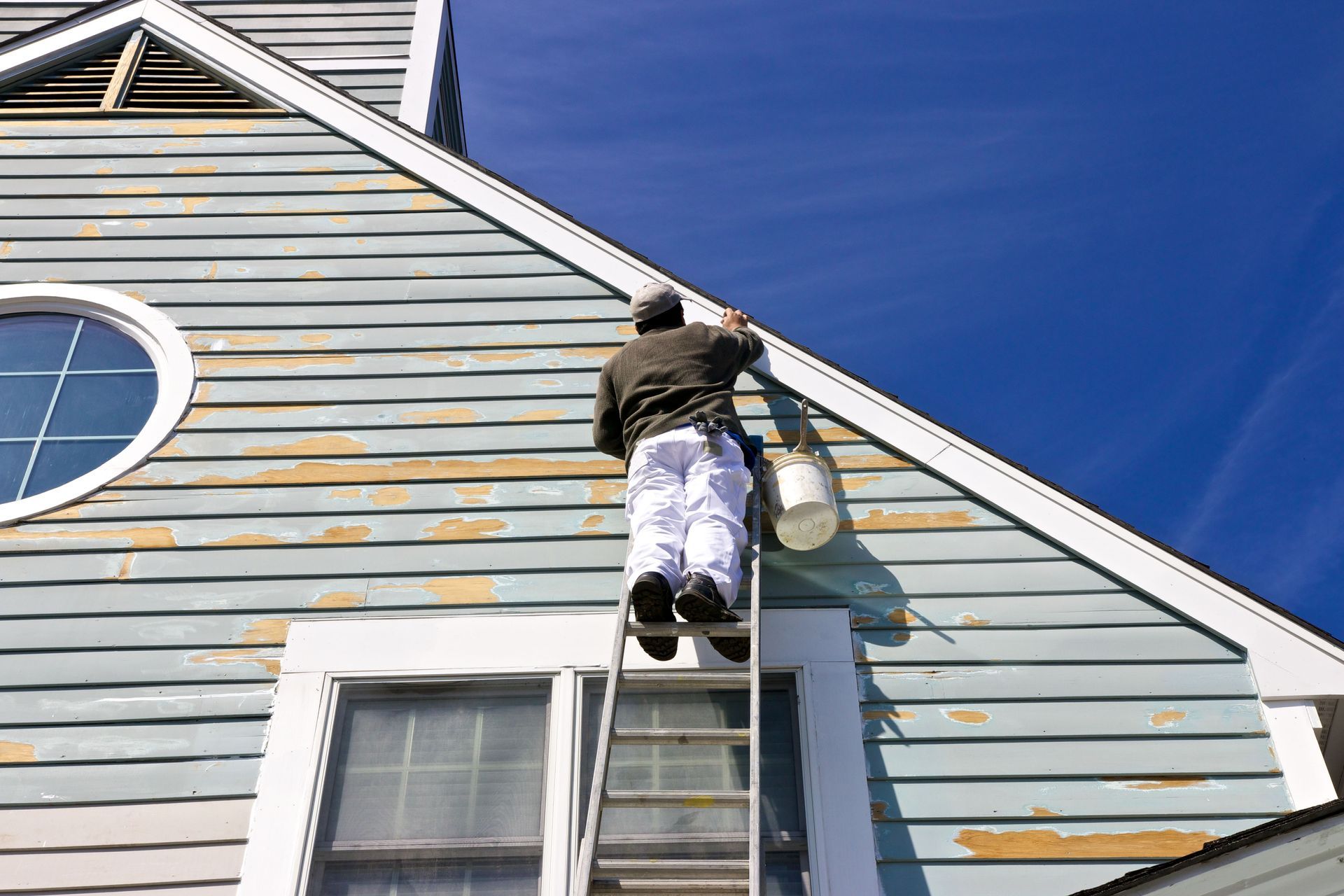
Before painting, any existing exterior damage should be addressed. Cracks, holes, and areas of decay compromise the painting process and must be repaired to ensure a smooth finish. Assess the extent of required repairs and budget for materials and labor as needed. Regular maintenance, such as fixing gutters or sealing window frames, protects your paint job from premature decline. By conducting necessary repairs beforehand, you reinforce the underlying surface, fostering the longevity of your project.
Weather conditions play a crucial role in the surface preparation and application phases of an exterior painting project. Hot, dry weather speeds up drying times, while cool, damp conditions impede them, affecting the final finish. According to Workyard, 78% of homeowners prefer to begin painting projects in the first half of the year, optimizing for favorable conditions. Proper timing ensures that preparation efforts are effective, minimizing risks such as moisture intrusion or slow curing. Strategic scheduling based on weather forecasts enhances the overall quality and consistency of the project.
4. Color Selection and Aesthetic Appeal
Color selection plays a pivotal role in the exterior painting process, with psychological impacts on ambiance and perception. Colors can evoke emotions—calm blues, neutral whites, or energetic reds that influence the atmosphere of your neighborhood and home. Understanding these effects provides a framework for choices, aligning them with the mood and purpose you wish to achieve. Consideration of psychological affinities towards certain colors ensures harmony between your vision and the desired aesthetic. This awareness allows for intentional color choices that elevate the overall appeal and impact of your home.
Integrating color with your home's architectural style is crucial for a cohesive exterior appearance. Traditional homes may benefit from a classic palette, while contemporary styles often suit bolder, more modern colors. Consider the existing features, such as brickwork, roofing, or trim, and select complementary hues that enhance architectural elements. Harmonizing color with architecture respects your home's history and character, lending continuity and aesthetic balance.
Your neighborhood and surrounding environment play an influential role in color selection. Choosing colors that complement community norms and natural surroundings aids in blending your home harmoniously into the landscape. Consider regional influences, such as local climate and cultural preferences, that impact color durability and acceptance. Respecting these external factors allows you to invest in painting services that can help make sure your color aligns with the area's overall character and aesthetic values.
5. Managing Project Logistics
Effective coordination with contractors is crucial for a smooth project execution. Clear communication about goals, timelines, and expectations ensures everyone remains aligned. Establish regular check-ins and milestones to track progress and address issues promptly. Addressing and resolving concerns proactively fosters a positive working relationship, ensuring a smoothly run project. Coordinating diligently reduces misunderstandings and setbacks, leading to a more efficient and successful painting process.
Sourcing the right materials and supplies involves strategic planning and collaboration. Consistently high-quality supplies contribute to the durability and appearance of the finished product. Work with contractors or suppliers to identify the best resources while considering environmental factors such as eco-friendly options. Coordination prevents delays linked to material shortages or delivery issues, streamlining your project. Efficient sourcing elevates results, guaranteeing that project materials support and enhance your overall vision.
Compliance with local permits and regulations is essential to avoid delays and legal complications. Research and obtain necessary permits, understanding specific zoning laws or historical district requirements that may apply to your property. Coordination with local authorities or homeowner associations provides a transparent understanding of these stipulations. Adhering to permits ensures your project proceeds without legal hindrance, saving time and money. Emphasizing compliance facilitates successful completion aligned with local guidelines and expectations.
By considering these critical points while planning your exterior painting project and investing in
painting services, you can ensure a smoother process and a more satisfying outcome. Each step, from choosing the right paint to project logistics, plays a vital role in transforming your vision into reality. To learn more about what options work best for your home, reach out to Z Painting, Inc, and see what we can do for you!